
Build Value Before Price: Understanding the Four Pillars of Sales Conversations
Mar 09, 2026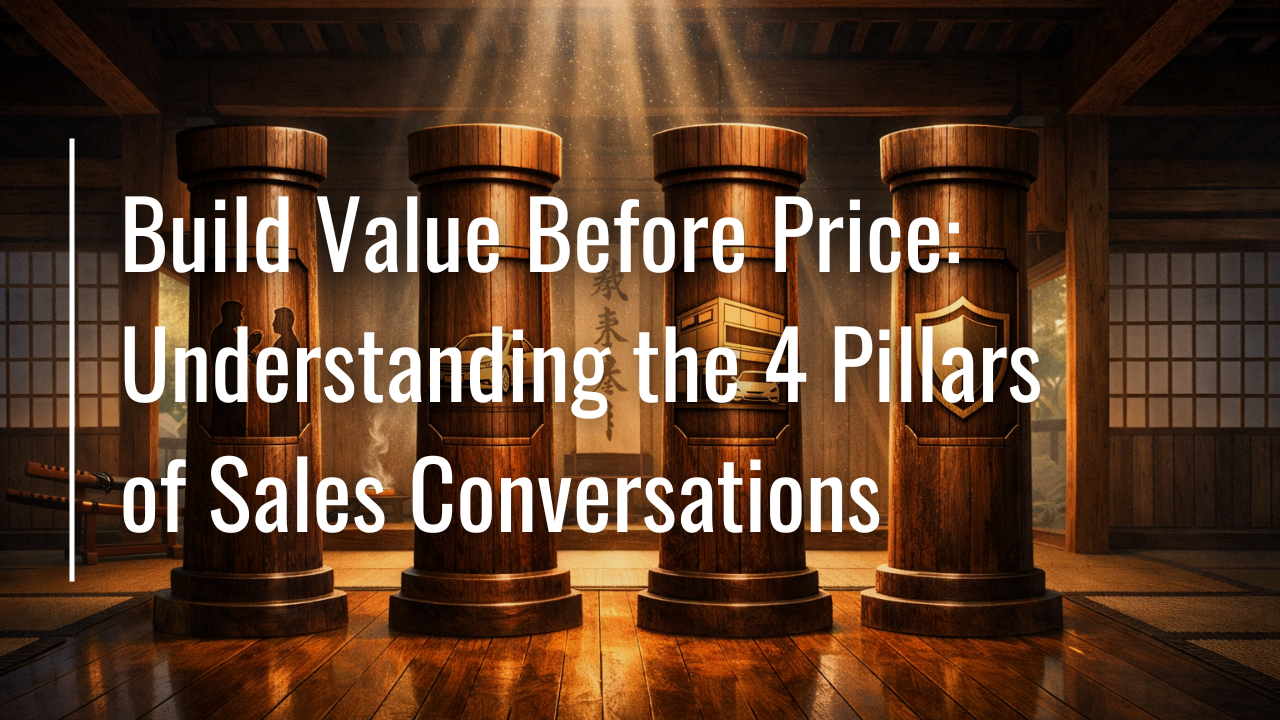
Why Value Must Come Before Price
One of the most common mistakes in automotive sales is talking about price too early. When price becomes the center of the conversation before value is clearly understood, the discussion quickly turns into comparison and negotiation.
But when value is built first, price becomes easier to understand and easier to accept.
The key is helping the customer see why something matters before explaining what it costs. When people understand the purpose, the benefits, and the experience behind what they are considering, the conversation shifts from numbers to meaning.
A useful framework for doing this is built around four pillars: self, product, store, and brand. Together, these pillars help create a clear and confident value story that supports the entire buying experience.
Pillar One: Why the Customer Chooses to Work With You
The first pillar focuses on you personally.
Before a customer fully trusts a product or even a store, they are deciding whether they trust the person guiding them through the process. In many ways, you become the filter through which the entire experience is interpreted.
Customers often ask themselves a simple but important question: Why should I work with this person?
Your personal competitive advantage answers that question. It might come from your communication style, your ability to listen carefully, your patience in explaining details, or the way you remove pressure from the process. Sometimes it comes from expertise. Other times it comes from reliability and professionalism.
When customers feel comfortable with you, they relax. When they relax, conversations become clearer. And when conversations are clear, trust begins to grow. That trust is what allows the rest of the pillars to stand strong.
Pillar Two: Why This Product Fits Their Needs
Once trust begins to form with you, attention naturally shifts to the product itself.
The second pillar focuses on helping the customer understand why a particular vehicle makes sense for their situation. This is not about listing features in isolation. It is about connecting those features directly to the customer’s lifestyle and priorities.
For example, a safety feature becomes more meaningful when connected to family road trips. Fuel efficiency matters more when it relates to a long daily commute. Comfort features feel more valuable when someone imagines spending hours behind the wheel during travel or work.
In other words, the product should be explained in terms of outcomes rather than specifications. The goal is to help the customer see how the vehicle supports the life they described earlier in the conversation.
When that connection is clear, the product stops feeling like an object and starts feeling like a solution.
Pillar Three: What Your Store Offers That Others May Not
The third pillar focuses on the environment where the purchase happens.
Customers often compare dealerships when making a decision. They may ask themselves why they should buy from one location instead of another. This is where your store’s competitive advantage becomes important.
Sometimes that advantage comes from the customer experience itself. It may be a reputation for transparency, a strong service department, or a team that prioritizes long-term relationships over short-term transactions.
Other times it may come from practical benefits such as service support, maintenance programs, or convenience factors that make ownership easier.
When customers understand what the store offers beyond the vehicle itself, they begin to see the purchase as part of a larger relationship rather than a one-time exchange.
Pillar Four: Building Confidence in the Brand
The final pillar expands the conversation to the brand as a whole.
Brands represent reputation, engineering philosophy, long-term reliability, and the overall ownership experience. When customers feel confident in a brand, they feel more secure about their investment.
This confidence can be built by referencing safety ratings, industry awards, or real-world customer experiences. Stories often help here. Hearing how other drivers have benefited from a feature or how a vehicle performed in a critical moment can make the value feel more tangible.
Brand confidence also connects to longevity. Customers want reassurance that their vehicle will support them for years to come, not just during the first few months of ownership.
When the brand’s strengths are clearly understood, the customer sees the purchase as part of something established and dependable.
How the Four Pillars Work Together
Each pillar strengthens the others.
Your personal connection builds trust. The product explanation shows how the vehicle fits the customer’s life. The store demonstrates ongoing support. The brand provides long-term confidence.
When these four elements work together, the conversation naturally builds value step by step. Emotion opens the door, proof strengthens credibility, and the experience itself helps the customer visualize ownership.
By the time price enters the discussion, it is no longer the only thing being evaluated. It becomes just one part of a much larger picture.
